Six universities in South Africa, Mauritius and Zambia worked with local partners to put the EngageSDG Integrated Participatory Framework into practice.
The pilots show how universities and communities can work together on local priorities, from after-school learning to flood safety and climate-resilient farming.
North-West University (NWU)
Young people supporting after-school learning
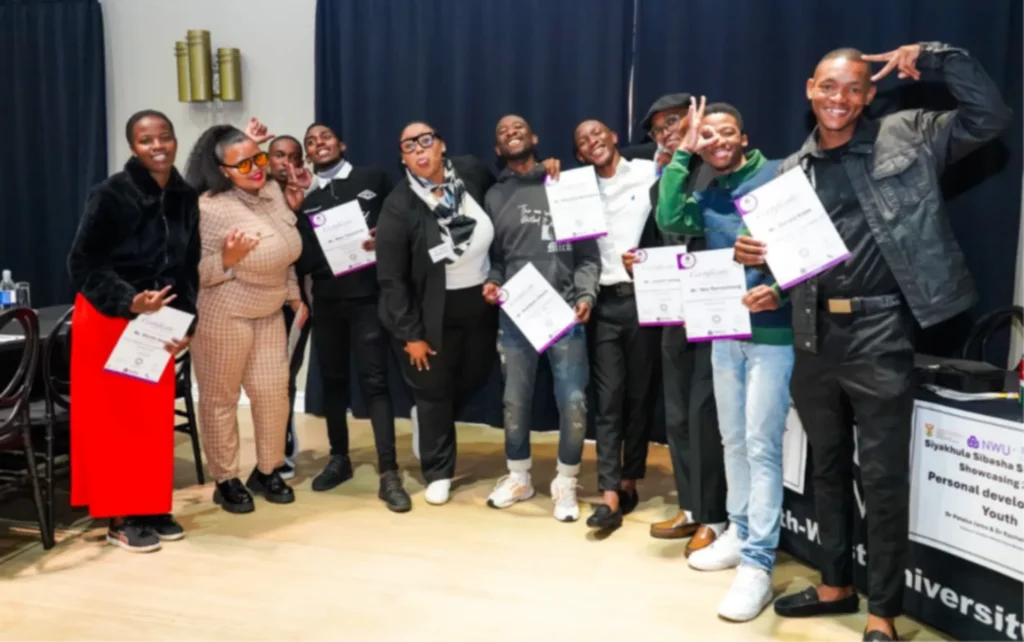
Through its Science Shop, North-West University worked with local organisations to train young people who were out of work, education or training. Participants designed and led after-school activities for township learners, building their own skills in mentoring, communication and teamwork. Some went on to work, start a business or pursue further study. The participants also co-developed the Siyakhula Sibasha training manual so other groups could use the approach.
Young people built mentoring and facilitation skills to support after-school learning.
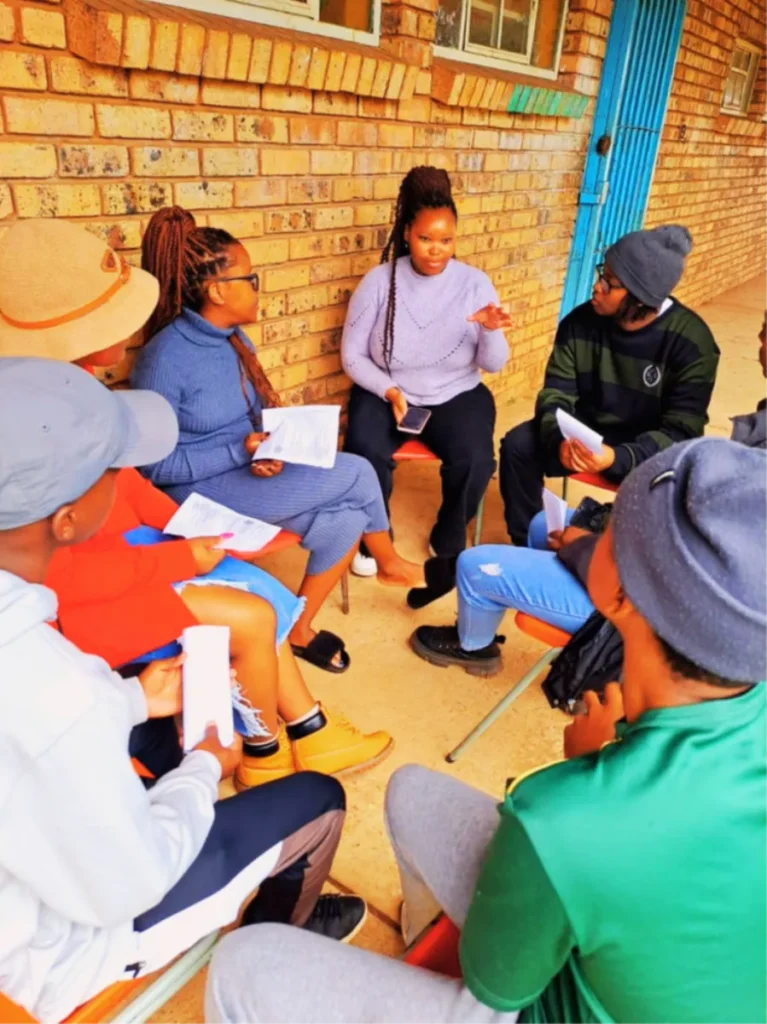
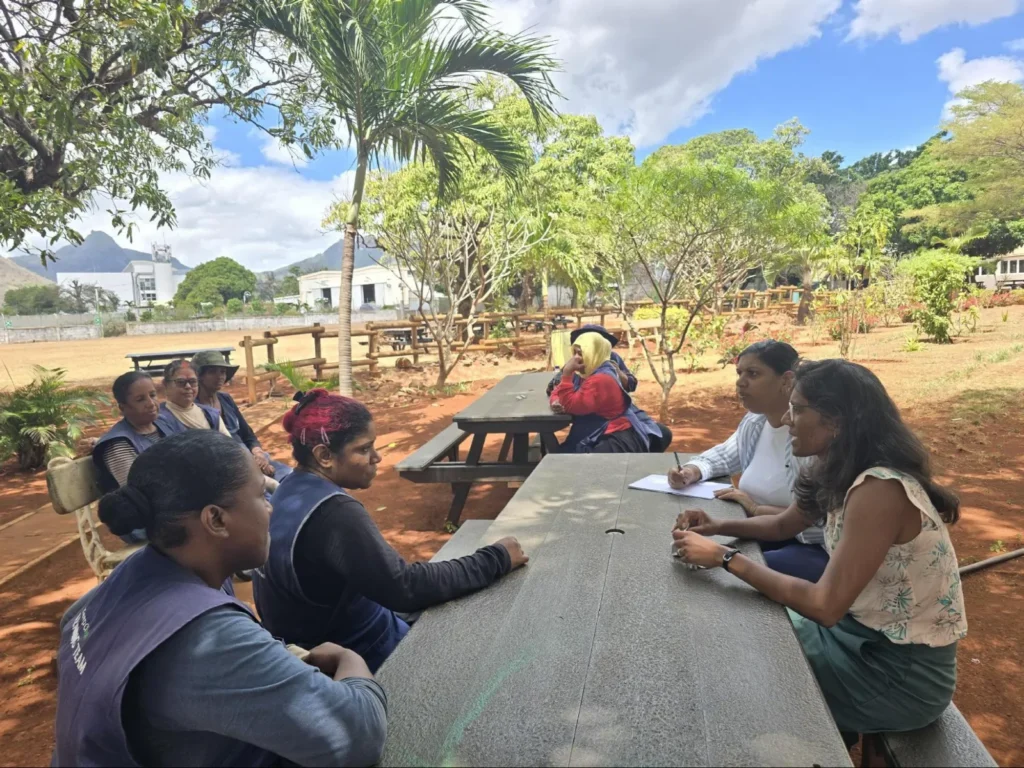
The University of the Western Cape and Hugenote Kollege in Wellington helped community organisations identify how their existing work contributes to the Sustainable Development Goals (SDGs).
Participants used a values exercise and Capability Cards to identify what helps or holds back their work. The pilot also produced practical learning resources, including children’s storybooks and an interactive SDG puzzle.
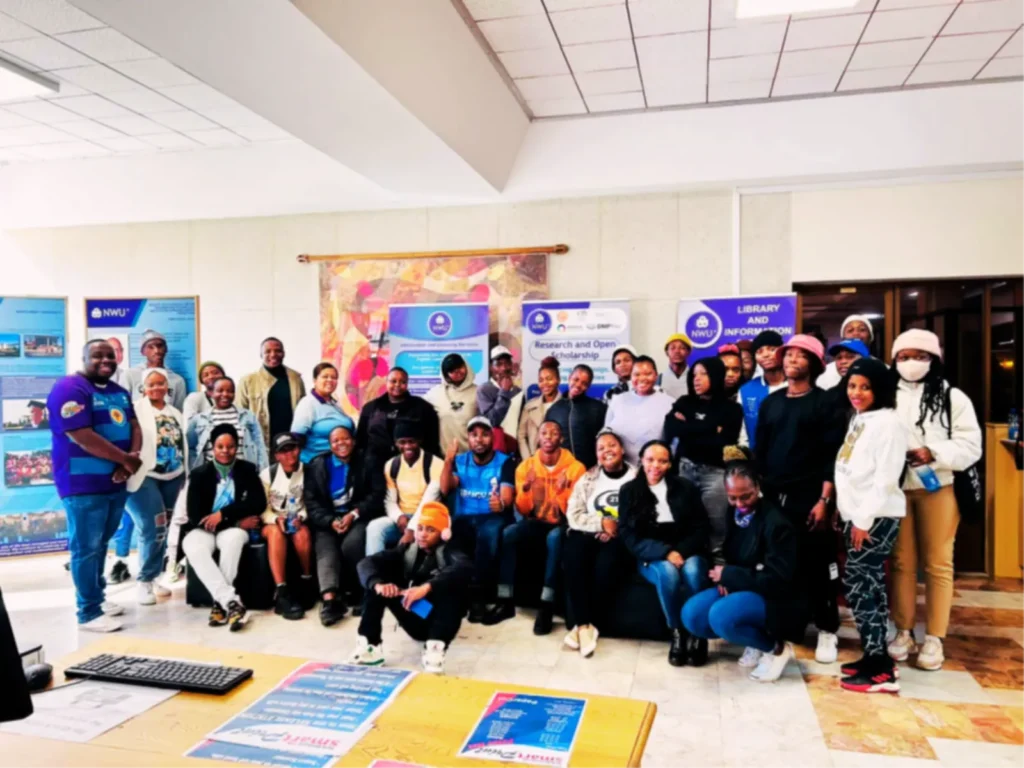
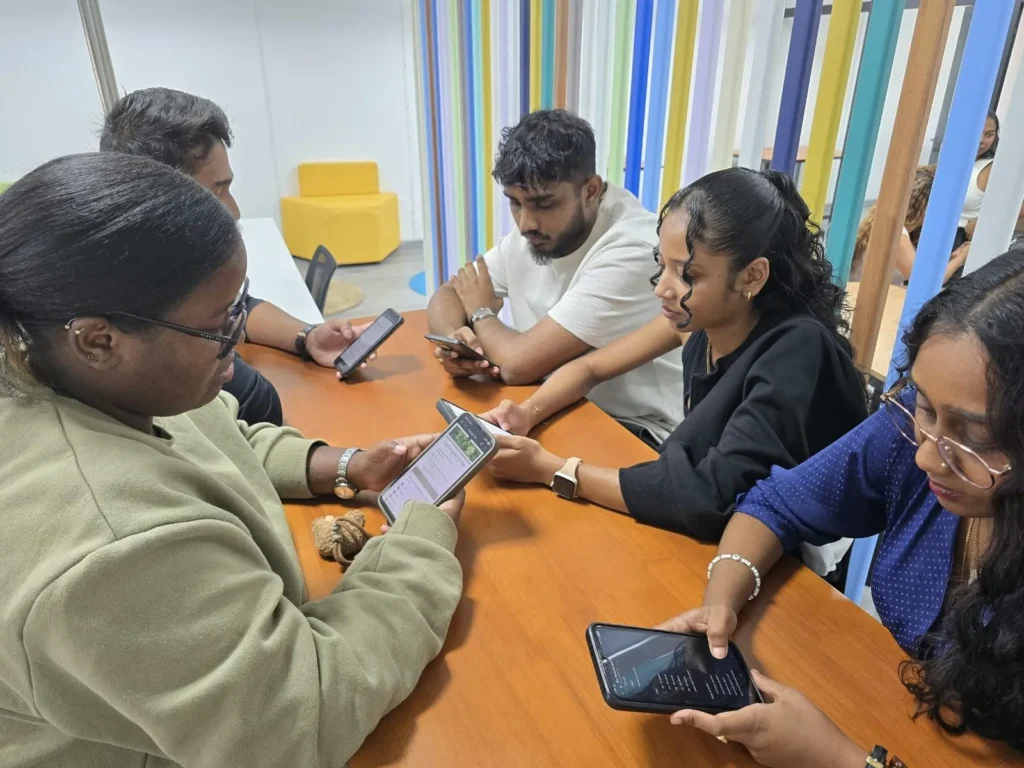
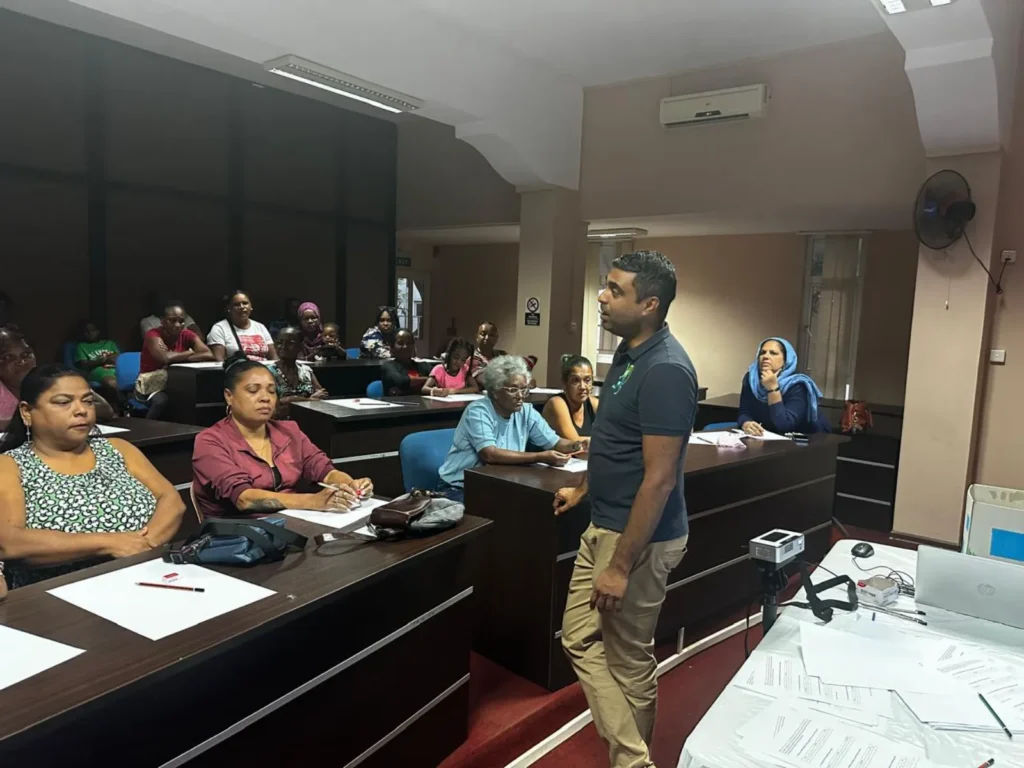
The University of Technology, Mauritius invited students and staff to assess the carbon impact of everyday choices, from travel and food to household energy and digital use. The survey produced the university’s first baseline on personal carbon-related behaviour. Early findings showed gaps in understanding how individual choices contribute to emissions, alongside a willingness to change when people had clear, practical guidance.
UTM’s campus survey explored how everyday choices contribute to personal carbon footprints.
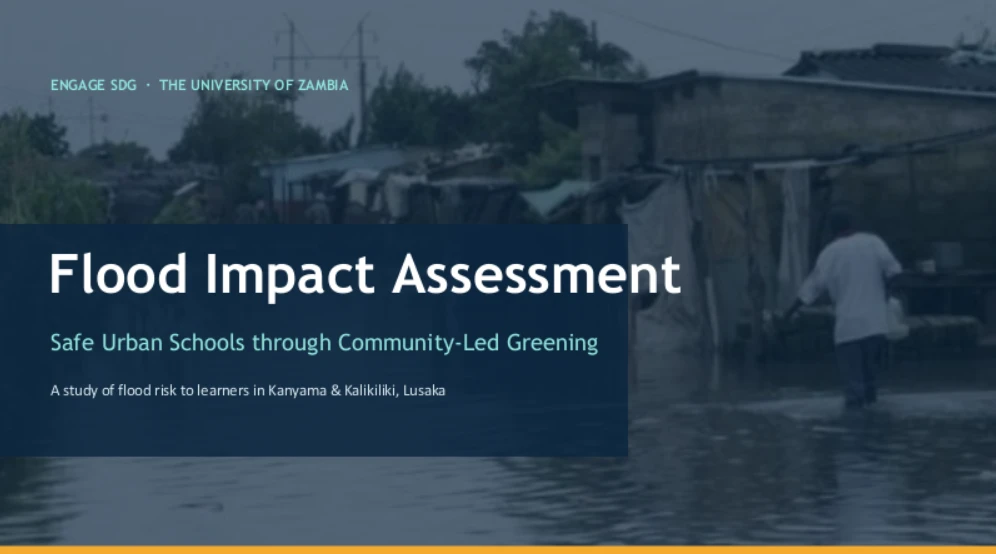
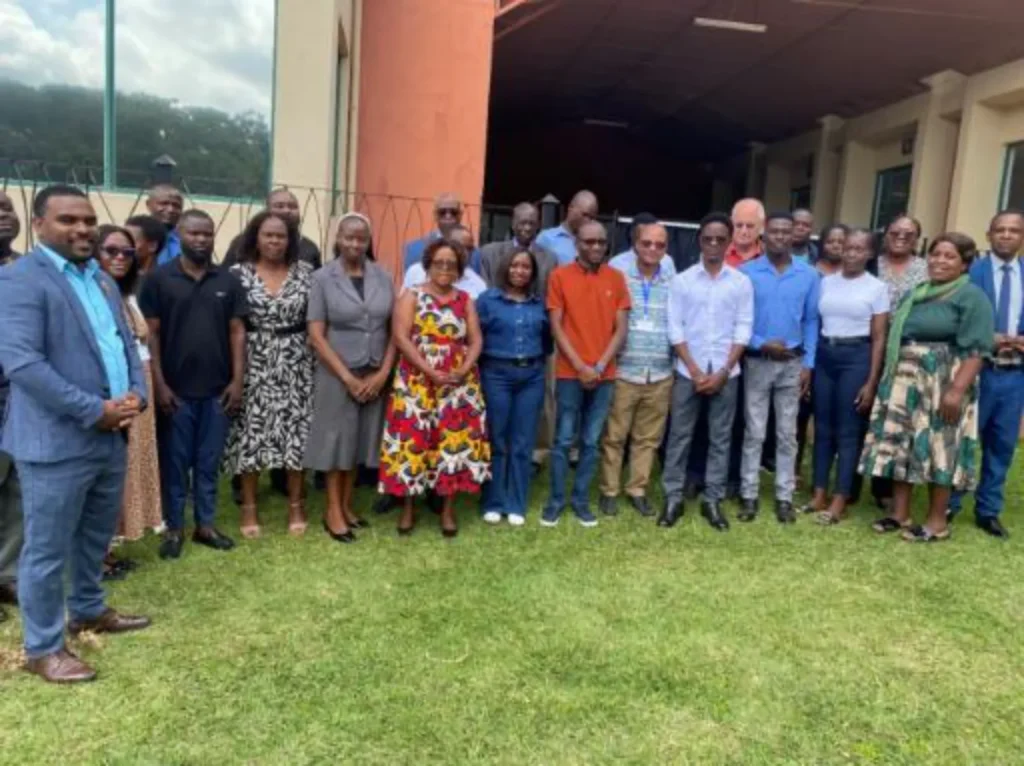
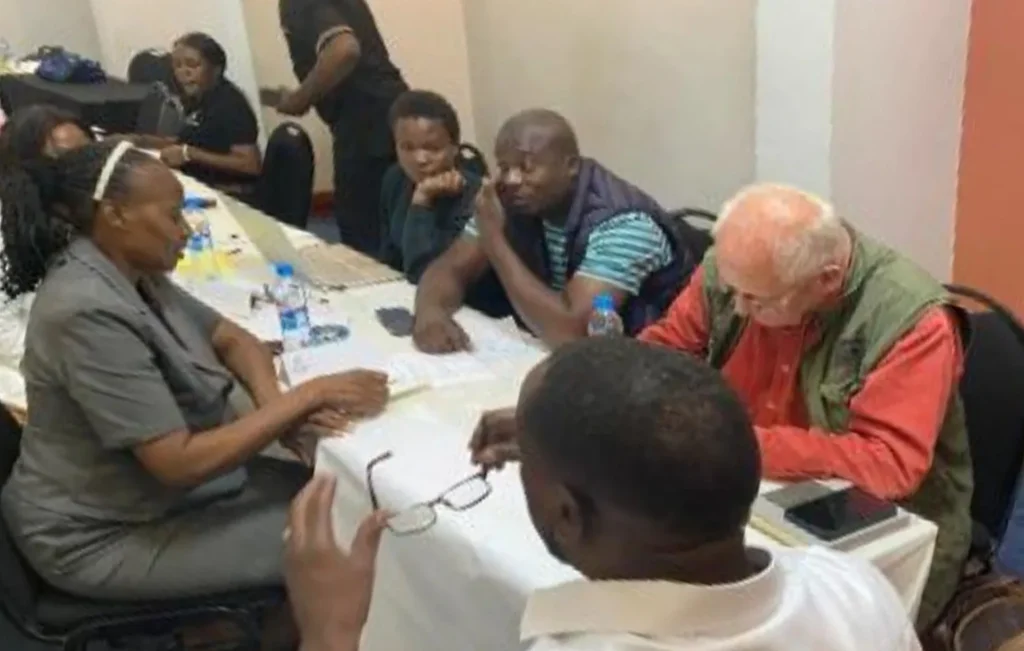
The University of Zambia worked with residents, teachers and public officials in Kanyama and Kalikiliki, Lusaka, to understand the risks flooding poses to children travelling to and from school. The team used community survey findings and a stakeholder workshop to draft school flood-response guidelines covering preparedness, early warnings, evacuation and recovery. The pilot also explored how greening could help reduce flood risk.
Teachers, community members and officials worked together on school flood preparedness in Lusaka.
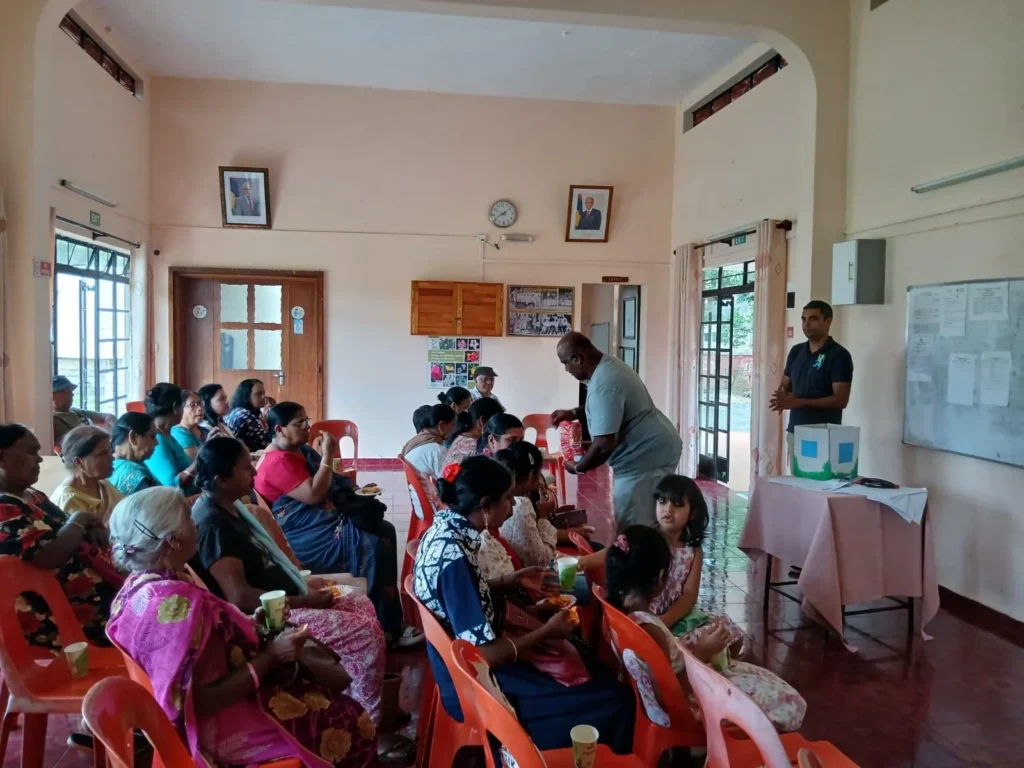
The University of Mauritius gathered 215 survey responses and worked with three communities to understand how indoor heat affects health and well-being. In La Valette, residents explored cooling options suited to their homes, including tree planting and roof shading. In a household trial, temperature sensors recorded conditions before and after roof shading was installed, showing its potential to improve indoor comfort.
Building climate resilience with smallholder farmers
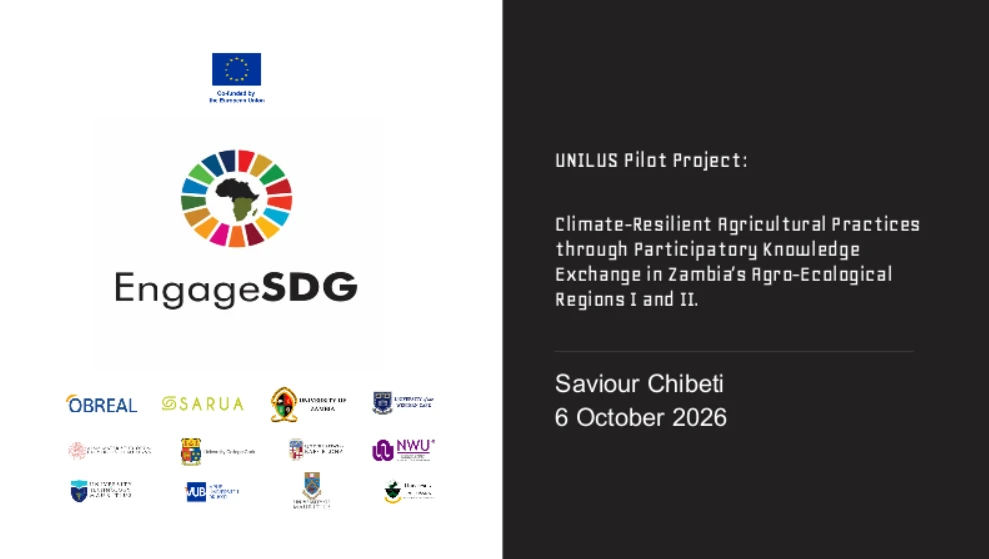
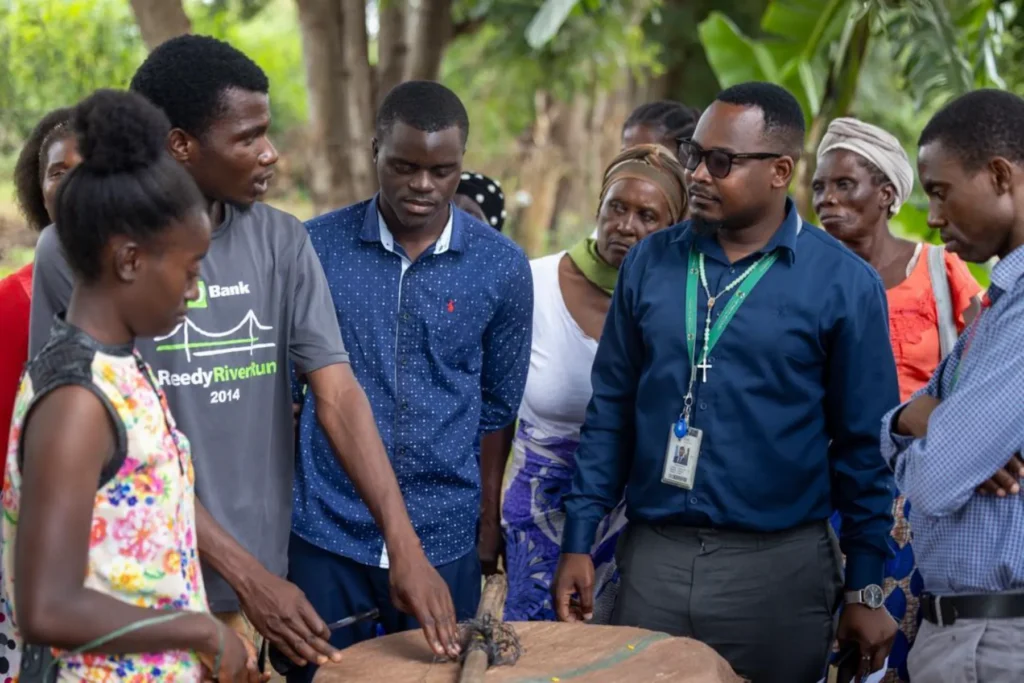
The University of Lusaka brought together 100 smallholder farmers and worked with agricultural and government partners to share practical ways of adapting to changing growing conditions. Farmers and facilitators exchanged knowledge through training and demonstrations on water harvesting, mulching to conserve soil moisture, crop diversification and organic vegetable production.